
BLOG
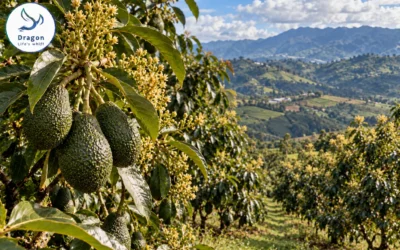
Hass avocado in Colombia: feeding a tree that never finishes a season
Colombian Hass avocado exports grew by 45.7 per cent in volume in 2025, according to the Ministry of Commerce. Antioquia alone accounted for nearly half of all shipments. Around 41,000 hectares are now certified for export, and the total harvest reached roughly...
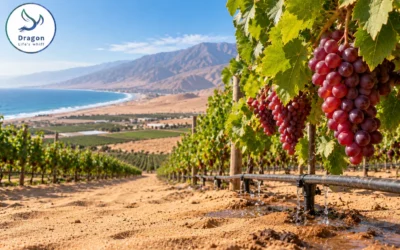
Fertigation on Peru’s desert coast: feeding a crop through sand
Peru is now the world's largest exporter of table grapes and of blueberries. Almost all of it grows in one of the driest places on earth. The coastal strip between the Andes and the Pacific gets close to no rain at all. Ica, La Libertad, Piura and Lambayeque together...
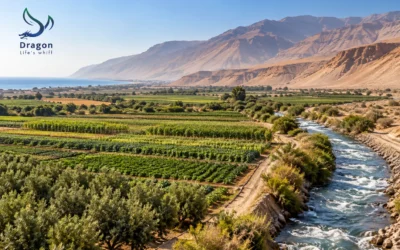
Salinity and boron in northern Chile: when the water is the problem
Two valleys run down to the sea at Arica, a few kilometres apart, under almost identical skies. Azapa grows olives, tomatoes and a wide range of vegetables, many of them counter-season crops that reach Chilean markets when no other region can supply them. Lluta, next...
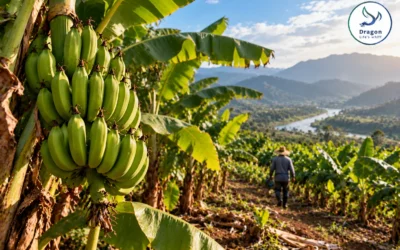
Banana in Ecuador after Fusarium TR4: what nutrition can and cannot do
On 3 September 2025, inspectors registered a suspected case of Fusarium wilt Tropical Race 4 on a seven-hectare banana farm in Santa Rosa, in the province of El Oro. On 18 December 2025, Agrocalidad and the Ministry of Agriculture confirmed it and declared a six-month...
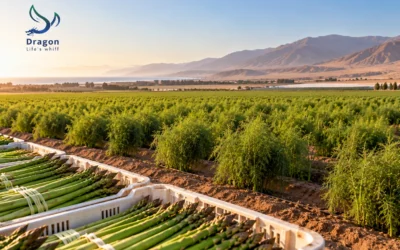
Asparagus in Peru: feeding a crop that sleeps on command
In most of the world, asparagus rests because winter arrives. In Peru it rests because the grower turns off the water. On the desert coast there is no cold season to send the crop into dormancy, so growers create one. They stop irrigating, the fern dries down, the...
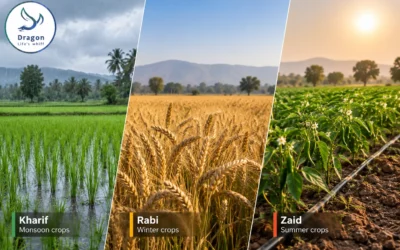
Kharif, rabi and zaid: three seasons, three different problems
Indian agriculture runs on three cropping seasons, and most nutrition programmes are written as if there were one. Kharif is the monsoon crop, sown with the rains from around June and harvested from September. Rabi is the winter crop, sown from October and harvested...
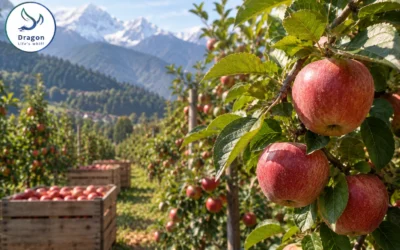
Apple in Himachal and Kashmir: bitter pit is decided in June
An apple that develops bitter pit in a cold store in January was already going to develop it in June. Nothing that happens after harvest causes the disorder. Storage only reveals it. That is the part growers in Shimla, Kinnaur, Kullu, Baramulla and Shopian find...
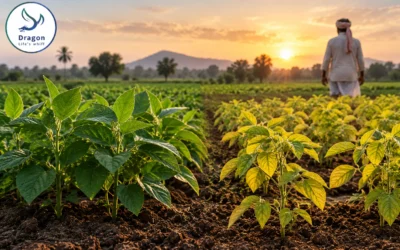
The nutrient India stopped applying by accident
Nobody decided to remove sulphur from Indian agriculture. It happened as a side effect of two changes that were both improvements. The first was fertilizer modernisation. Single superphosphate carries around 12 per cent sulphur and ammonium sulphate carries about 24...
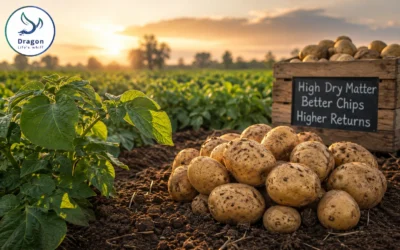
Potato for processing: the potash source decides the dry matter
A potato grower on a processing contract is not paid for tonnes. They are paid for dry matter, fry colour and size grade, and a load that misses the specification gets downgraded to table stock at a fraction of the price. Dry matter is the number that governs the...