
An importer evaluating a new fertilizer supplier is not really assessing the fertilizer. They are assessing whether it can be registered, whether it arrives on time, whether the documentation survives inspection, and whether they can move it once it lands.
The agronomy is the easy part of that conversation.
Registration comes first
The Tanzania Fertilizer Regulatory Authority governs fertilizer quality, registration and distribution in the country. A product that is not registered cannot be sold, and registration is where a promising supplier relationship most often stalls.
What makes registration slow is rarely the regulator. It is a manufacturer who cannot produce paperwork quickly or completely. An application needs composition documented, analysis certified, safety information available, and evidence the product is legitimately sold in its country of origin.
Dragon Ferti supplies that package: Certificate of Analysis, Technical Data Sheet, Safety Data Sheet, labels with full composition, and Free Sale Certificates. Manufacturing sits under ISO 9001, ISO 14001 and ISO 45001 certified management systems, which gives a regulator an independent reference point rather than a supplier’s assurance.
Whether a specific product is currently registered in Tanzania is a question for the export team, since the answer changes as applications progress.
Where the product lands and where it goes
Dar es Salaam is the main gateway and serves more than Tanzania. It is a transit corridor for landlocked neighbours, so a distributor operating from Dar has a market considerably larger than the domestic one.
Inland, demand splits into zones that behave differently. The Southern Highlands around Iringa, Njombe and Mbeya carry the avocado and horticulture growth. The Northern Zone around Arusha and Kilimanjaro runs vegetables with more established irrigation. Mtwara and Lindi are cashew country with their own seasonality. The Lake Zone is separate again.
Transport cost separates them commercially. Fertilizer prices differ noticeably between the coast and upcountry because of haulage, so a distributor’s inland reach is part of what they sell, not an overhead.
Where a specialty line fits against subsidised commodity
A distributor will notice the price difference against subsidised urea immediately, so it is worth being direct about how the two coexist.
Subsidised commodity fertilizer moves large volumes at thin margins and will keep dominating the bulk market. What it does not do is give a dealer anything their competitor cannot also supply, or solve the micronutrient and quality problems horticulture and export crops have.
Specialty product carries higher margin per tonne, moves in smaller volumes, and gives a dealer a technical sale and a reason for a farmer to return. It is an addition to the shelf rather than a replacement.
Packaging is a commercial decision
Pack size determines who can buy from you, which makes it more than a logistics detail.
The Dragon Paste line ships in 5, 10 and 20 kilogram formats, Dragon Fert soluble powder in 10 and 25 kilogram sacks, and Dragon Liquid in 1, 5 and 20 litre containers. That spread lets a dealer serve a smallholder with a few hundred cashew trees and a commercial horticulture block from the same supplier.
The full range covers six lines: paste, soluble powder, liquid, specialty products, chelated micronutrients and an organic-compatible line for certified production, which matters as Tanzanian horticulture pushes into premium export channels.
Quality documentation as a commercial asset
Counterfeit and substandard fertilizer is a regional problem, and a dealer’s reputation rests on not being the person who sold a bad bag.
A supplier who produces batch-level documentation on request protects the dealer as much as the farmer. It matters downstream too: horticulture exporters facing European audits must show what went on the crop, and a dealer who supplies that paperwork becomes the export sector’s preferred source rather than another shop.
Why Jordan to Dar es Salaam works
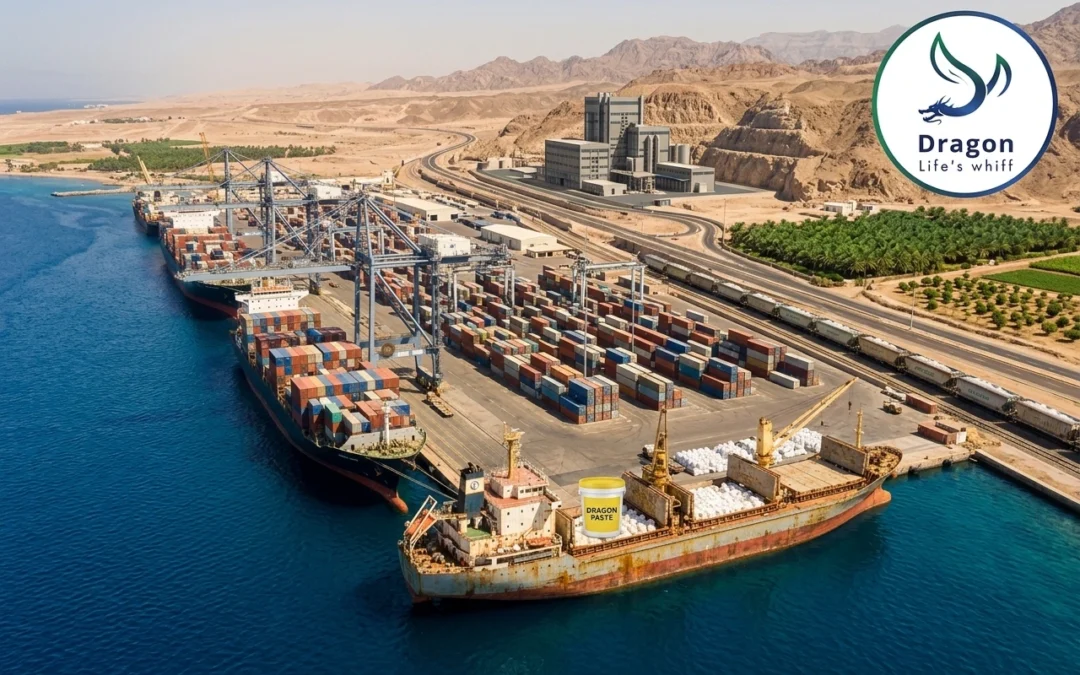
Dragon Ferti manufactures in Jordan with Red Sea access through Aqaba, putting East Africa on a direct shipping route. Raw materials come from Jordanian potash and phosphate reserves, so the supply chain is short and traceable.
For a distributor that means a manufacturer shipping to the region regularly rather than treating it as distant, and one used to the documentation importers here need.
Conclusion
The fertilizer is rarely what decides a distribution relationship. Registration paperwork, arrival reliability, pack sizes that fit your customers, and documentation that holds up under inspection matter more. For product specifications, registration support or distributor enquiries, see the Dragon Ferti product range, read what growers report on the testimonials page, or contact the export team through the contact page.
Frequently asked questions
What documentation is needed to register a fertilizer product in Tanzania?
Registration through the Tanzania Fertilizer Regulatory Authority generally requires documented composition, a certified analysis, safety information and evidence the product is legitimately sold in its country of origin. Dragon Ferti supplies Certificates of Analysis, Technical Data Sheets, Safety Data Sheets, labels and Free Sale Certificates to support importers through that process.
Does Dragon Ferti already supply the Tanzanian market?
Dragon Ferti exports to markets across Africa, the Middle East and beyond, and works with importers and distributors regionally. Registration and distribution status for specific products in Tanzania is best confirmed directly with the export team, since it changes as applications and partnerships progress.
Why carry specialty fertilizer when subsidised urea dominates the market?
Because they serve different customers and different margins. Subsidised commodity fertilizer moves bulk volume at thin margins and every dealer sells it. A specialty line gives a dealer higher margin per tonne, a technical sale, and products that address the micronutrient and quality problems horticulture and export crops have, which commodity NPK does not.
What pack sizes are available?
Paste comes in 5, 10 and 20 kilogram formats, soluble powder in 10 and 25 kilogram sacks, and liquid in 1, 5 and 20 litre containers. That range lets a distributor serve smallholders and commercial blocks from the same stock rather than choosing between them.