
BLOG
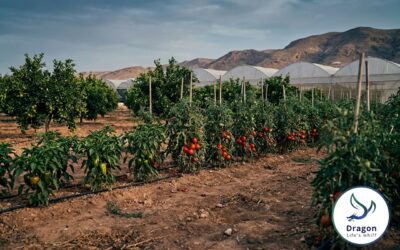
Fertilizer for Jordan Valley Agriculture: Manufacturing for Vegetables, Citrus, Stone Fruit
The Jordan Valley is the country's farming heartland. Sitting below sea level with a warm winter climate, it produces tomatoes, cucumbers, peppers, citrus, bananas, stone fruit, and grapes, much of it early in the season when prices are high and Gulf and European...
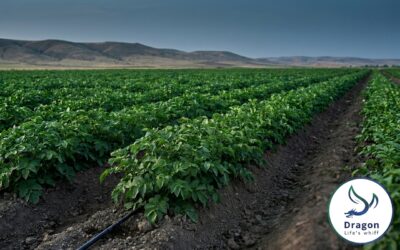
Potato Fertilization in Algeria: Nutrient Programs for High-Yield Commercial Production
Potato is one of Algeria's most important food crops, grown across the northern plains of Mostaganem, Ain Defla, and Bouira, and in the sandy soils of El Oued for the off-season harvest. It feeds the country and supports thousands of commercial growers. Getting the...
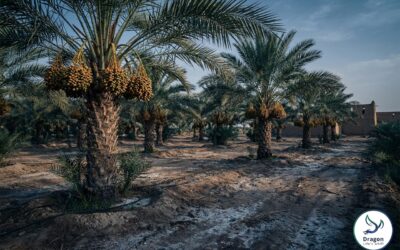
Fertilizer Solutions for Iraqi Agriculture: Dates, Wheat, and Vegetables in Saline Conditions
Iraqi farmers grow good crops on hard ground. The Mesopotamian plain between the Tigris and Euphrates was one of the first farmed landscapes on earth, and it still produces dates, wheat, barley, and vegetables today. But much of that land now carries a heavy load of...
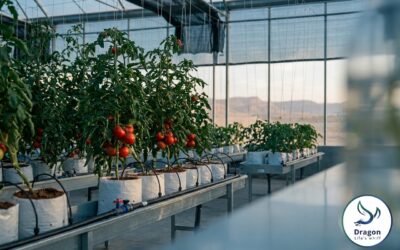
Greenhouse and Protected Cultivation: Building a Precision Fertigation Program
In an open field, the soil forgives mistakes. It buffers pH swings, holds a reserve of nutrients, and releases them slowly through microbial activity. Inside a greenhouse, especially a soilless one, none of that safety net exists. Every nutrient the plant receives...
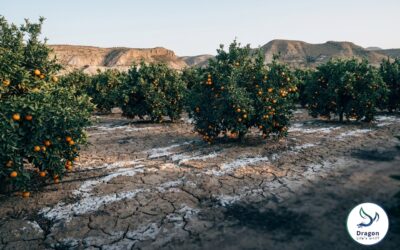
Salinity and Alkaline Water: Managing Fertilizer Programs in Difficult Irrigation Conditions
Across much of the Middle East, North Africa, and the world's irrigated drylands, the water that keeps farms alive is also slowly working against them. It carries salt. It runs alkaline. It is loaded with bicarbonate. And it quietly wrecks fertilizer programs that...
How to Read a Fertilizer Label: A Buyer’s Guide to NPK, Chelates, and Purity Claims
Two fertilizer bags sit side by side. Both say "NPK 20-20-20 with micronutrients." One costs 40 percent more than the other. A buyer who only reads the front of the bag has no way to tell why, and usually picks the cheaper one. A buyer who knows how to read the full...
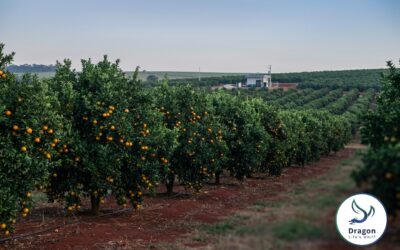
Specialty Fertilization for Brazilian Export Agriculture: Citrus, Coffee, and the Path to Premium Yields
Brazil consumes about 40 million tons of fertilizer per year. Roughly 85 percent of it is imported. Supply is concentrated in a small number of mega-suppliers, mostly out of Russia, Belarus, Morocco, and China. When global commodity fertilizer markets seize up, as...
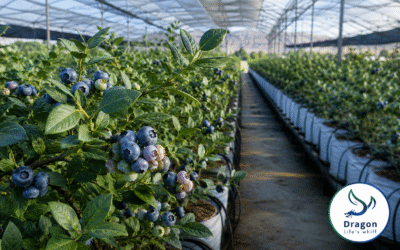
Blueberry Fertilization in Peru: Specialty NPK Programs for the World’s Top Blueberry Exporter
Peruvian blueberries don't grow in soil. They grow in pots filled with coconut coir, drip-irrigated several times a day, with every nutrient delivered through the fertigation tank. The entire industry is built on this substrate-based production system, and it's the...
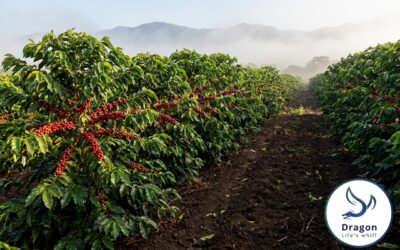
Coffee Fertilization in Colombia: Specialty NPK Programs for Volcanic Soils and Premium-Grade Yields
The soils of Colombia's Eje Cafetero are some of the strangest agricultural soils on earth. They're young, formed from volcanic ash less than ten thousand years ago. They're high in organic matter, often 8 to 12 percent in the topsoil, two to three times richer than...