News
Dragon Ferti took part in Growtech Antalya 2025, one of the region’s major meeting points for agriculture, crop nutrition, greenhouse technology and agricultural inputs. For the Jordanian fertilizer company, the exhibition was a chance to meet growers,...
India
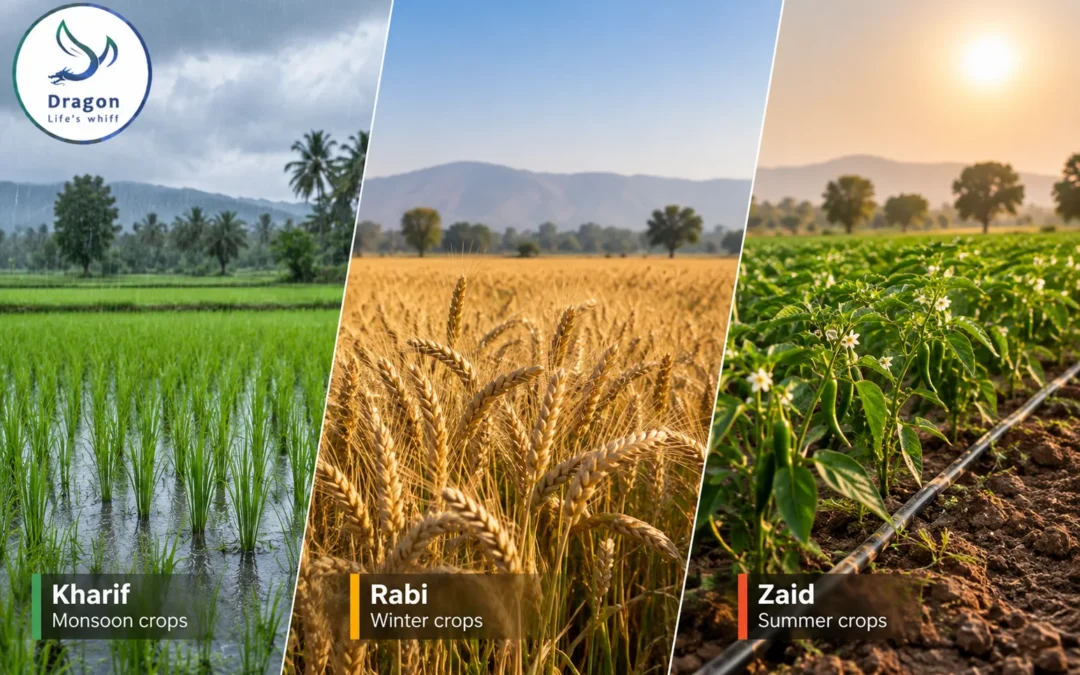
Indian agriculture runs on three cropping seasons, and most nutrition programmes are written as if there were one. Kharif is the monsoon crop, sown with the rains from around June and harvested from September. Rabi is the winter crop, sown from October and harvested...
India
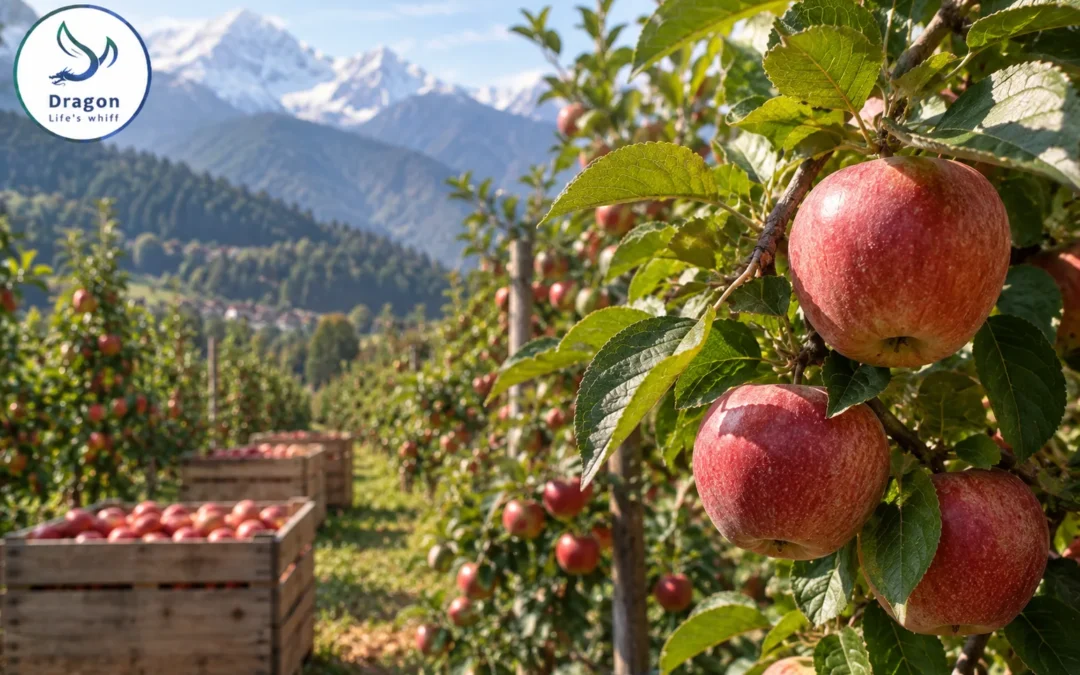
An apple that develops bitter pit in a cold store in January was already going to develop it in June. Nothing that happens after harvest causes the disorder. Storage only reveals it. That is the part growers in Shimla, Kinnaur, Kullu, Baramulla and Shopian find...
India
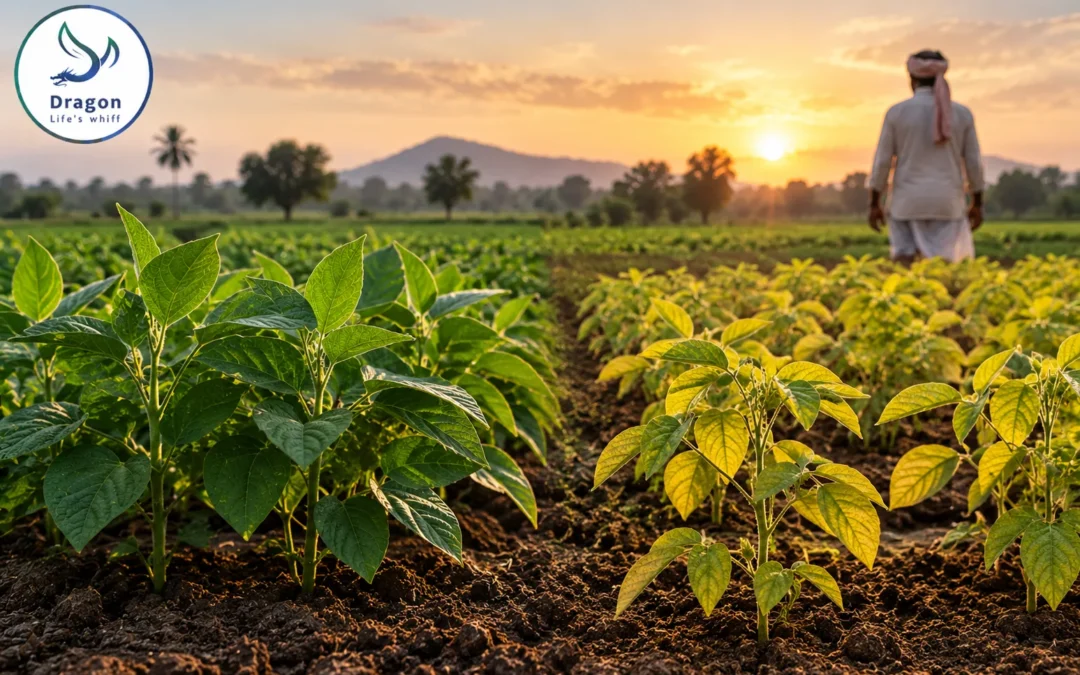
Nobody decided to remove sulphur from Indian agriculture. It happened as a side effect of two changes that were both improvements. The first was fertilizer modernisation. Single superphosphate carries around 12 per cent sulphur and ammonium sulphate carries about 24...
India
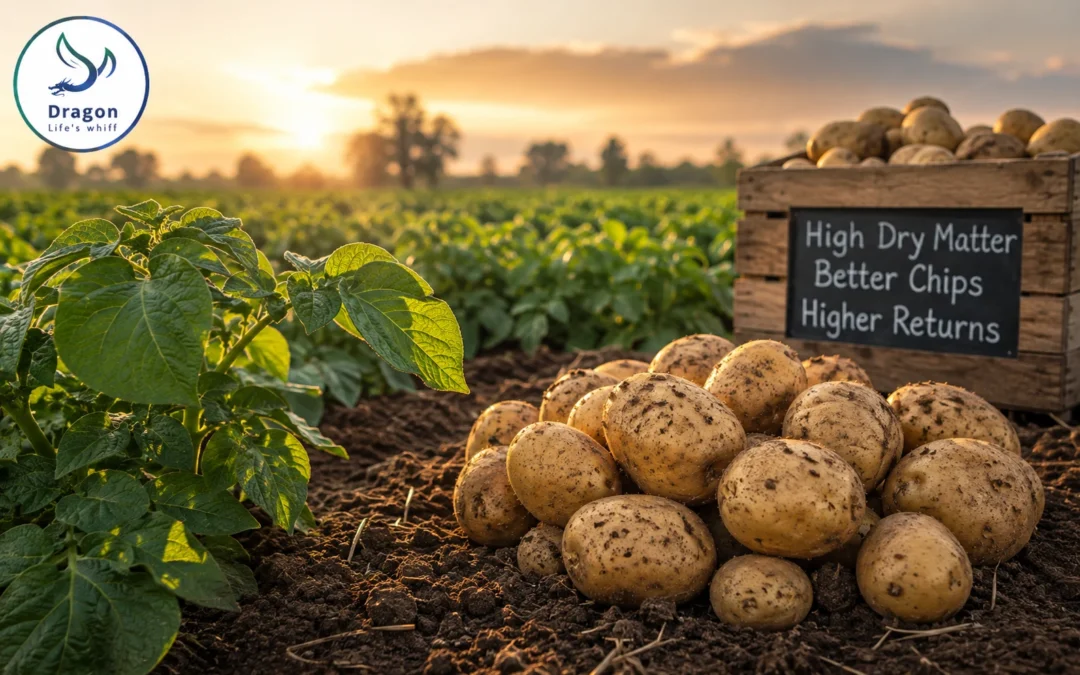
A potato grower on a processing contract is not paid for tonnes. They are paid for dry matter, fry colour and size grade, and a load that misses the specification gets downgraded to table stock at a fraction of the price. Dry matter is the number that governs the...
