India
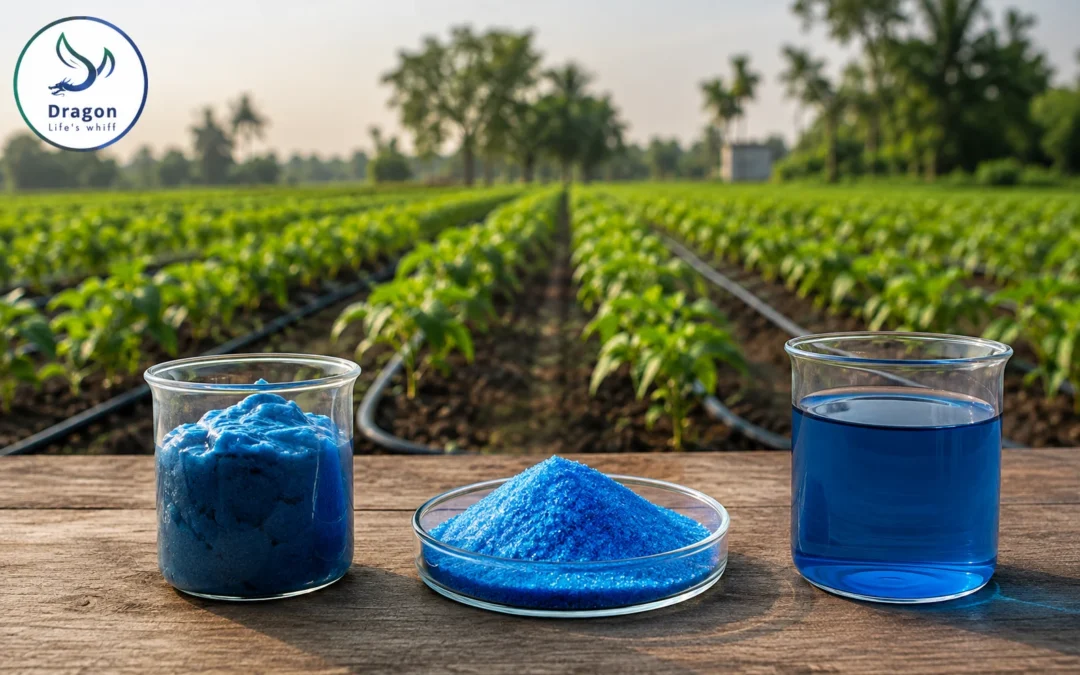
Most fertilizer buying decisions in India are made on the analysis. Two products both say 13-0-45, so the cheaper one wins. The format is a separate decision, and it usually matters more to whether the season goes well. Format determines how fast the product...
India
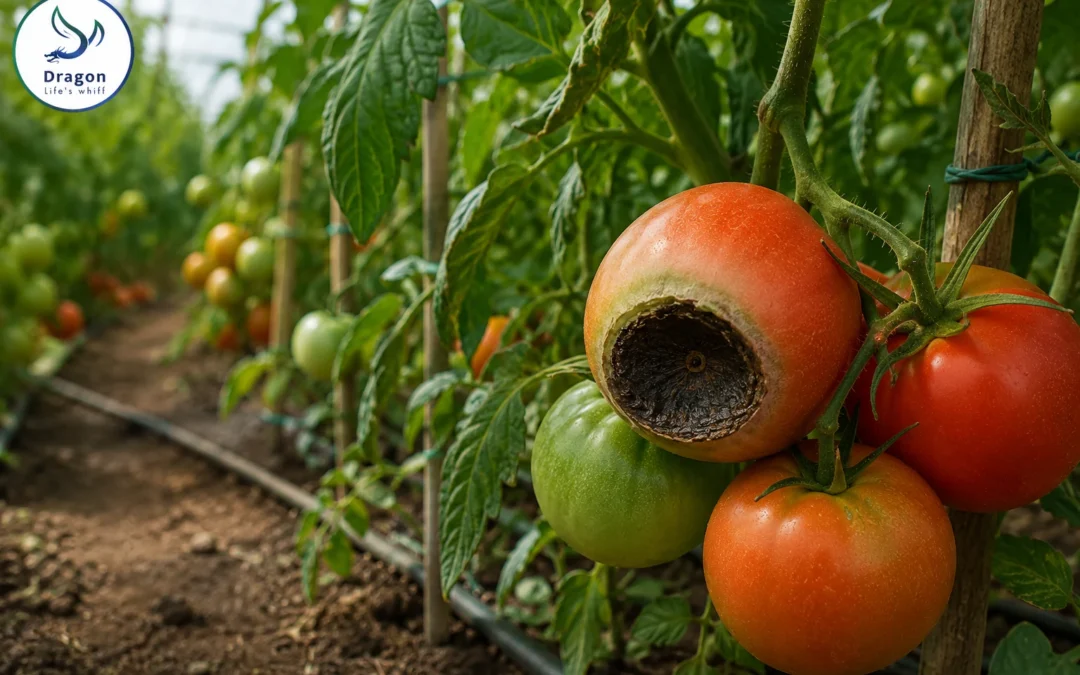
A grower finds sunken black patches on the underside of the fruit, looks it up, reads that it is a calcium deficiency, and applies calcium. The next picking looks the same. That sequence repeats across Indian tomato growing every season, and the reason it fails is...
India
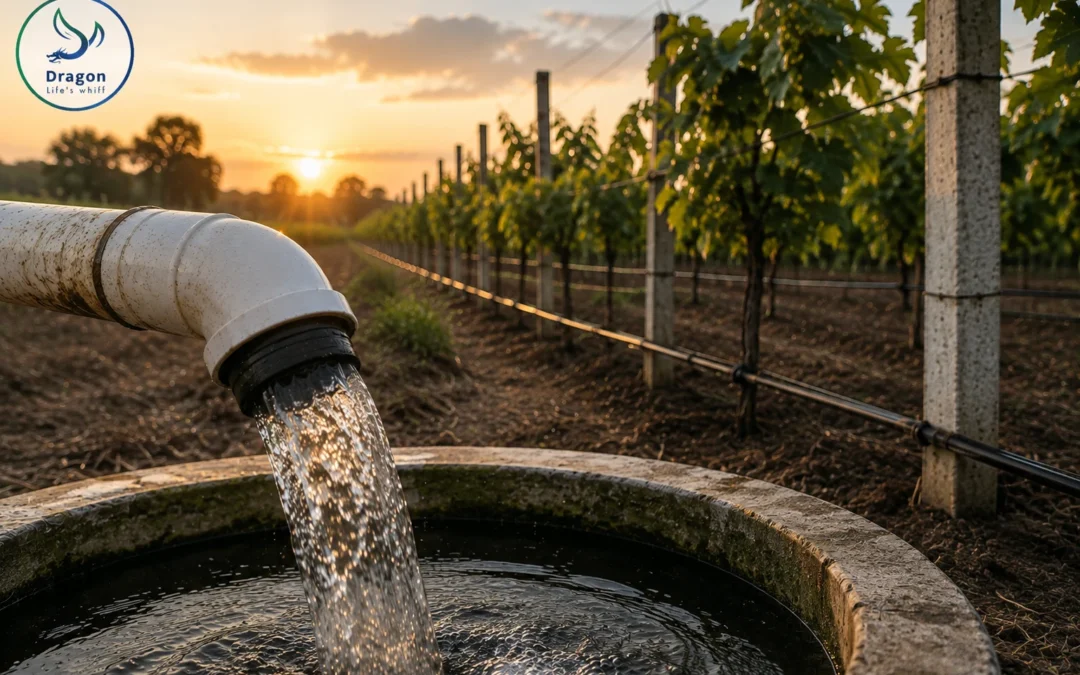
Most Indian growers test their soil. Far fewer test their irrigation water, and on a drip-irrigated farm the water matters more. Soil is tested once and changes slowly. Water passes through the root zone every day of the season, carrying whatever it holds. A borewell...
India
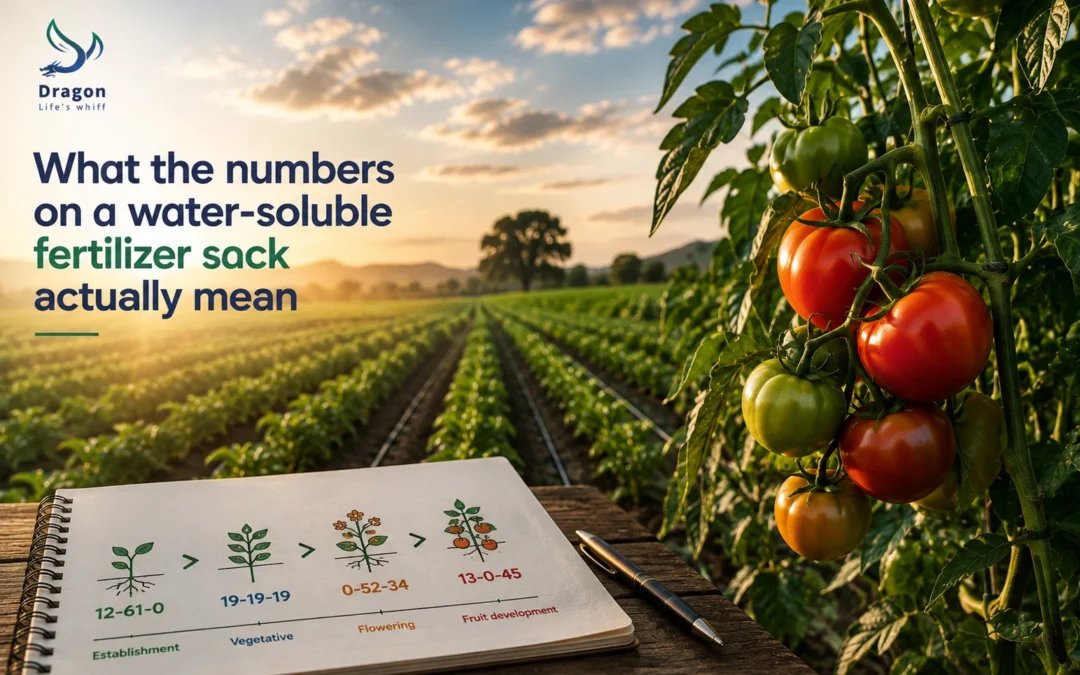
The three numbers on a fertilizer label are the percentage by weight of nitrogen, phosphorus as P2O5, and potassium as K2O. A 25 kilogram sack of 19-19-19 holds 4.75 kg of each. That much most growers know. What decides the result is not the analysis. It is whether...
India
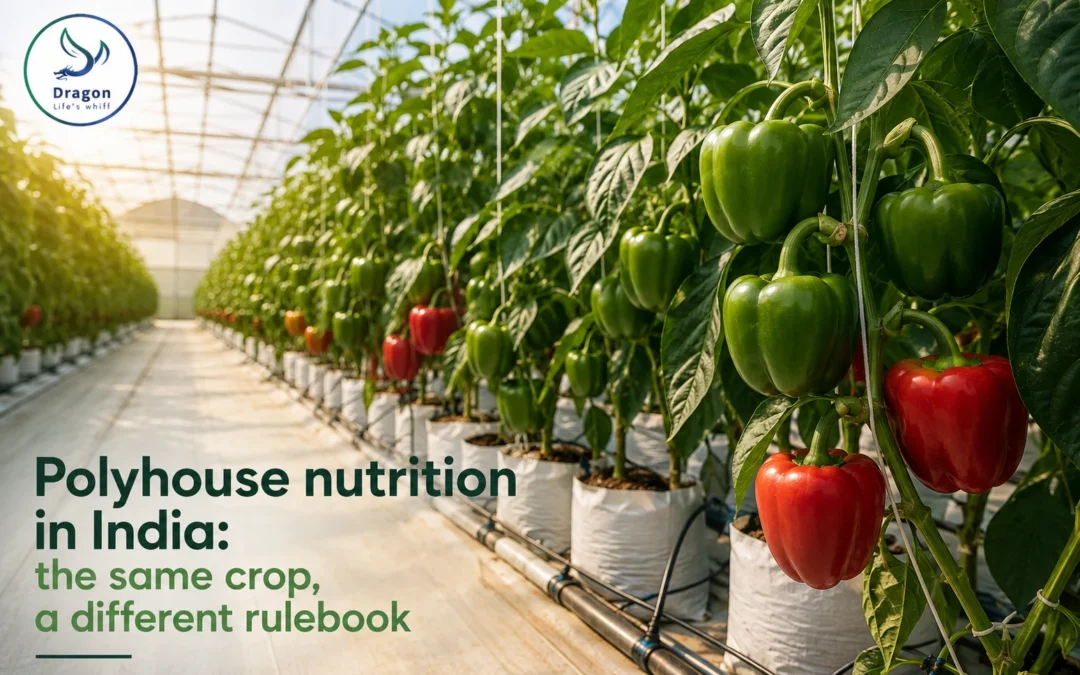
A capsicum plant under a polyhouse in Pune is not the same commercial proposition as a capsicum plant in an open field forty kilometres away. It yields several times more, it runs for eight or nine months instead of three, and it is sold into a market that grades on...
