India
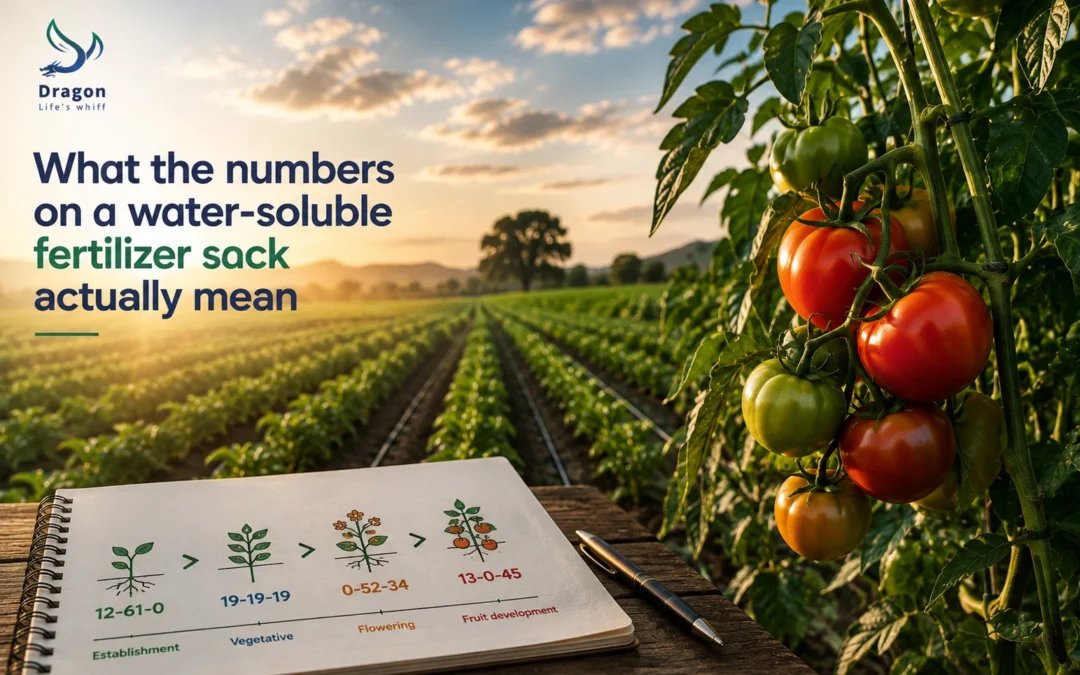
The three numbers on a fertilizer label are the percentage by weight of nitrogen, phosphorus as P2O5, and potassium as K2O. A 25 kilogram sack of 19-19-19 holds 4.75 kg of each. That much most growers know. What decides the result is not the analysis. It is whether...
India
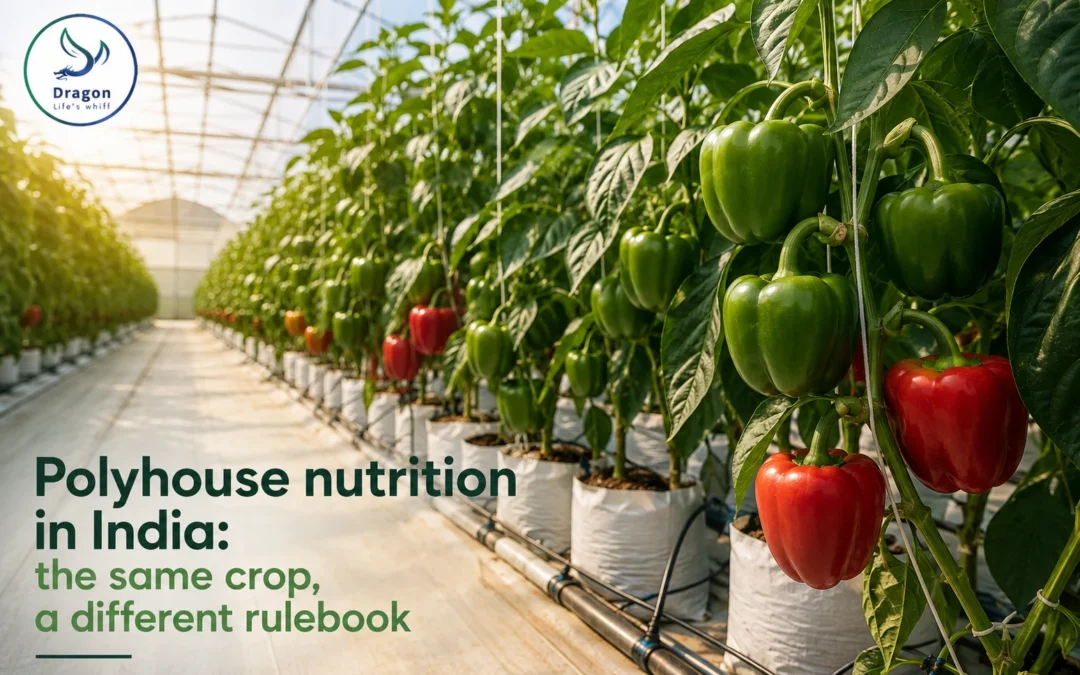
A capsicum plant under a polyhouse in Pune is not the same commercial proposition as a capsicum plant in an open field forty kilometres away. It yields several times more, it runs for eight or nine months instead of three, and it is sold into a market that grades on...
India
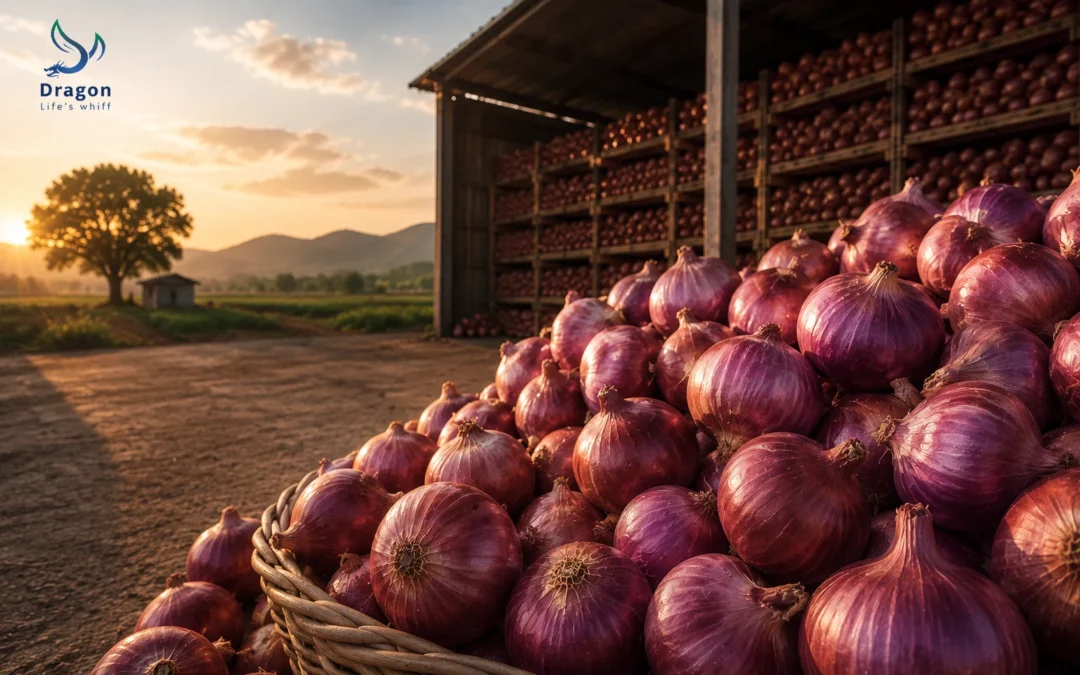
Most crops are sold soon after they come off the field. Rabi onion is not. It goes into a chawl and sits there while the grower waits for the price to move, and what comes out months later decides what the season was worth. Storage losses on stored onion in India are...

India
A chilli grower is paid on two things they cannot see while the crop is standing: colour value and pungency. The trade measures colour in ASTA units and heat in Scoville units, and both vary by variety, district and season. Teja and Guntur Sannam S4 command what they...

India
An importer looking at a new fertilizer supplier is not really evaluating the fertilizer. They are working out whether it can be registered, whether it clears the port, whether the documentation holds up when a sample is drawn, and whether they can move it once it...
India
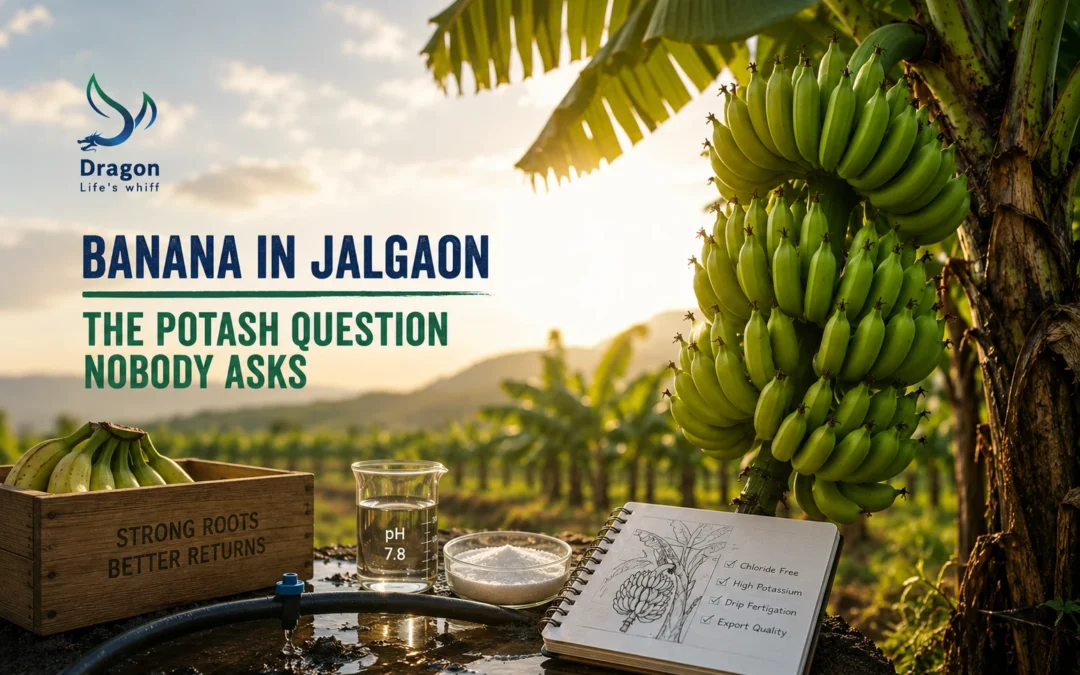
Banana takes more potassium out of the ground than almost anything else grown in India. Not slightly more than nitrogen. Substantially more. Jalgaon runs roughly 48,000 hectares of it, mostly tissue culture Grand Naine on black soils, with yields in the 65 to 80 tonne...
